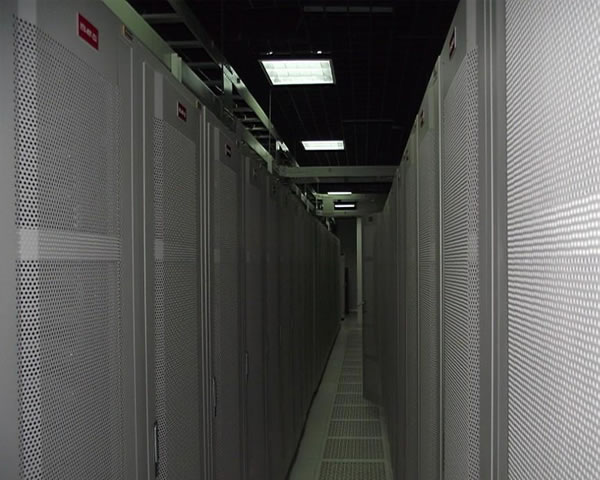
introduction: this article takes "analysis of the offensive and defensive capabilities of hong kong computer rooms against attacks and improvement suggestions based on actual attacks" as the starting point, combined with actual combat observations and industry best practices, to conduct a professional analysis of the protection performance, weak links and executable improvement paths of hong kong computer rooms after encountering attacks, aiming to provide valuable reference and implementation direction for operators and decision-makers.
overview of practical background
in many attacks on cloud services and shared computer rooms, hong kong computer rooms have shown high availability advantages, but at the same time exposed shortcomings such as log concentration, cross-tenant traffic monitoring and supply chain dependence. actual combat shows that attacks are often compounded and carried out in stages. any breakpoint in the detection chain will extend the response time and expand the scope of impact. therefore, it is necessary to reconstruct the defense system from an end-to-end security perspective.
assessment of current offensive and defensive capabilities
a comprehensive assessment shows that hong kong computer rooms often meet compliance requirements in terms of physical security and power supply redundancy, but there are gaps in network segmentation, traffic visualization and behavioral analysis capabilities. protection is mostly based on peripheral devices, with weak defense in depth and lateral movement detection; insufficient log preservation and cross-platform correlation capabilities, affecting the efficiency of post-event evidence collection and root cause analysis.
physical and infrastructure protection
the physical protection of computer rooms usually covers access control, cameras and environmental monitoring, but there is still room for improvement in personnel management, third-party admission and equipment life cycle management. it is recommended to strengthen the level-by-level management and control of identities and permissions, introduce a more stringent access audit mechanism, and establish redundancy and health detection strategies for important equipment to reduce the risk of business interruption caused by single points of failure or physical damage.
network and border defense
network defense needs to evolve from border protection to internal segmentation and micro-segmentation, and combine traffic baselines and anomaly detection to improve identification rates. for hong kong computer rooms , it is recommended to adopt a multi-layered protection strategy: reasonable network division, strict acl and zero-trust access control, and enhanced traffic analysis capabilities of international exits and switching nodes to reduce the horizontal attack surface and improve the isolation effect.
detection, response and recovery capabilities
effective detection and response rely on timely monitoring, automated processing and clear drill mechanisms. actual combat shows that hong kong computer rooms need to strengthen log concentration and long-term storage, build available threat intelligence sources, and establish quick-start emergency plans and communication channels for major incidents to ensure that when an attack occurs, the impact can be quickly limited and key businesses can be restored.
talent, process and compliance management
talent and processes are the basis for continuous protection. it is recommended that hong kong computer room operators pay attention to the training of security operation and maintenance personnel, conduct regular red team/blue team drills, and incorporate compliance requirements (such as the personal data protection regulation) into daily controls. in addition, supply chain and contractor management should be included in risk assessment to ensure that outsourced services meet the same security and audit standards and reduce indirect risks.
summary and improvement suggestions
summary: from the "analysis of the offensive and defensive capabilities and improvement suggestions of hong kong's anti-attack computer room based on actual attacks", it can be seen that the hong kong computer room has a solid foundation but still needs to be strengthened in network visualization, detection response and supply chain governance. it is recommended to take phased improvements as a path: giving priority to improving monitoring and logging capabilities, promoting network micro-segmentation, strengthening emergency drills and personnel training, and gradually implementing improvements based on compliance and business continuity requirements.
- Latest articles
- The Technical Team’s Experience Discusses The Three Core Indicators For Choosing The Best Vps In Korea
- Performance Tuning And Monitoring Methods Of Vietnam Cn2 Network In High Concurrency Scenarios
- Buy Cloud Servers In Thailand At Low Prices, Compare Manufacturer Discounts And Long-term Operation And Maintenance Costs
- Enterprise Deploys Japanese Native Dynamic IP Address Load Balancing And Failover Solution
- Use Vietnam's Native IP Cloud Server To Build A Private VPN And Corporate Intranet Acceleration Solution
- How To Choose The Appropriate HKEX Computer Room Server Configuration For Financial Business
- Common Misunderstandings Avoidance Guide On The Configuration And Maintenance Of Multiple IPs For US High-Defense Servers
- Beginner's Guide: How To Choose A Cloud Server In Hong Kong? Detailed Explanation Of Bandwidth Selection And Billing Methods
- Huawei Cloud Singapore Server Instance Selection Suggested Specification Comparison Table For Different Business Scenarios
- Comparative Study Of Differences In Construction Standards And Operation Models Between Indian And German Computer Rooms
- Popular tags
-

Hong Kong Cn2 Virtual Host Advantages And Selection Guide
this article introduces the advantages and selection guide of hong kong cn2 virtual host to help you understand how to choose a suitable virtual host. -

How Much Does A Hong Kong Cloud Server Cost? Market Price Analysis
This article discusses the market price of Hong Kong cloud servers in depth, analyzes the impact of different factors on prices, and helps users choose the right cloud server. -

Is Computer Room Renovation Worth Investing In? Market Observation In Hong Kong
this article explores the investment value of computer room renovation in the hong kong market, and analyzes the current market status, technological development and future trends.